We Use CookiesWe use cookies to enhance the security, performance, functionality and for analytical and promotional activities. By continuing to browse this site you are agreeing to our privacy policy

10 Best engine model kits 2026 in the United States
How do we rank products for you?

Our technology thoroughly searches through the online shopping world, reviewing hundreds of sites. We then process and analyze this information, updating in real-time to bring you the latest top-rated products. This way, you always get the best and most current options available.

headphones-stars

Our Top Picks

#1

Winner

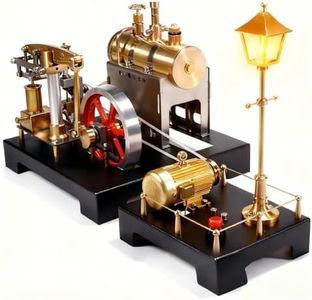
MechPuConToy Steam Engine Model with Boiler and Lamp Scene DIY Kit, SE-01 Full Metal Beam Engine Steam Engine Model Kit That Works with Centrifugal Regulator (84PCS)

Rating
10.0
Chosen by1,102
Complexity
Included Features

Most important from
25 reviews

Complexity
Requires careful adjustment and patience to get the engine running smoothly, but once dialed in, it runs like a charm.
Included Features
The kit offers great educational value and fun, despite lacking manufacturer support or extras.

The MechPuConToy Steam Engine Model kit offers a fascinating look into early steam engine technology with its fully metal construction and working mini steam generator. It’s designed as a beam engine with a centrifugal regulator, capturing the look and function of classic steam power in a compact desktop scale. The kit includes 84 metal parts, providing a detailed and durable build that makes it a rewarding hands-on project for hobbyists or learners interested in mechanical principles. The included lamp scene adds charming ambiance, enhancing the display.

Assembly is required and might be challenging for beginners or younger users, but this effort is part of the educational appeal, encouraging exploration of engineering concepts. The model weighs about 2.3 kg and measures roughly 18x27x20 cm, making it a substantial and impressive kit to build and showcase.

This kit suits older children, teens, or adults who enjoy building mechanical models and want a functional steam engine replica that also serves as a nostalgic piece of engineering history. It is designed more for those eager to learn and experience steam mechanics practically rather than casual toy users.

Rating
10.0
Chosen by1,102
Complexity
Included Features

Most important from
25 reviews

Complexity
Requires careful adjustment and patience to get the engine running smoothly, but once dialed in, it runs like a charm.
Included Features
The kit offers great educational value and fun, despite lacking manufacturer support or extras.
#2

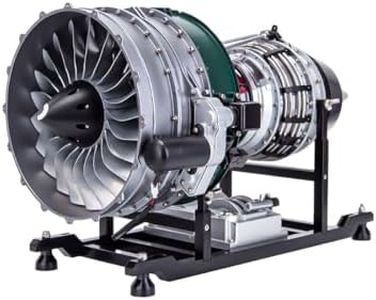
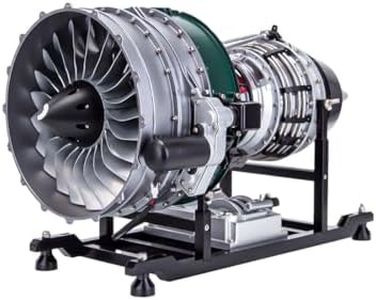
ClearEdge Mechanical Aircraft Turbofan Engine Model Kit - 1/10 Electric DIY Assembly, 1000 Pieces Educational Experiment Toy

Rating
9.7
Materials

Most important from
4 reviews

Materials
The most impressive model kit ever assembled, engineered with precision and sturdy metal components.

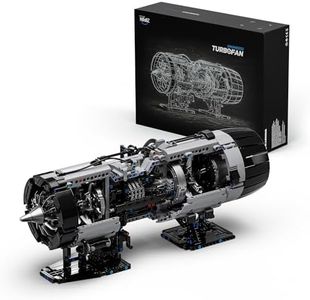
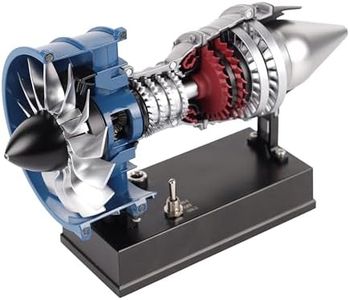
The ClearEdge Engine Mechanical Aircraft Dual-Spool Turbofan Engine Model Kit offers a detailed and realistic depiction of a turbofan engine at a 1/10th scale. It's perfect for those who enjoy assembling intricate models, as it contains over 1000 pieces including screws and nuts. The complexity of the build makes it an excellent educational tool, providing insights into aerospace engineering and stimulating creativity and interest in this field.

One of the standout features is its motor-driven functionality, which, combined with a hollowed-out engine case, allows users to see the internal workings of the engine in action. Additionally, the inclusion of a throttle lever and engine sound module enhances the immersive experience.

However, the kit is composed of plastic materials, which may not be as durable as metal alternatives. The assembly process, while educational, could be quite challenging for beginners or younger users due to the high number of pieces and the intricate nature of the build. Suitable for anyone interested in aviation and model building, this product is especially rewarding for hobbyists who appreciate detailed and hands-on learning experiences.

Rating
9.7
Materials

Most important from
4 reviews

Materials
The most impressive model kit ever assembled, engineered with precision and sturdy metal components.
#3

National Geographic 4-Cylinder Engine Building Kit – 175+ Piece Working Model with Moving Parts, Clear Visible Engine Model, STEM Building Toy with Tools & Learning Guide for Kids

Rating
9.1
Type of Engine
Complexity
Materials

Most important from
52 reviews

Type of Engine
Building a transparent engine model powered by batteries to see pistons and gears in motion turns complex mechanical concepts into an engaging, hands-on learning adventure.
Complexity
The kit offers a perfect balance of challenge and accessibility, making assembly rewarding without overwhelming younger builders.
Materials
The durable plastic construction feels sturdy and well-made, providing a quality model that stands up to handling and display.
Included Features
Clear instructions and included tools make the building process approachable and enjoyable for kids with some adult guidance.

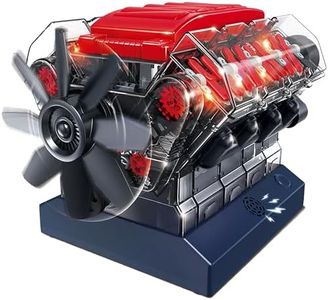
The National Geographic 4-Cylinder Engine Building Kit is a detailed and interactive model kit designed to give kids a hands-on understanding of how a real car engine works. With over 175 durable pieces, this clear engine model lets you see pistons, valves, and gears in motion once powered by 3 AA batteries (not included). It’s a working model that brings mechanical concepts to life, making it an excellent STEM toy for children aged 10 and up. The kit includes all necessary tools, illustrated instructions, and a learning guide, which helps simplify the assembly process and deepen understanding of engine mechanics.

Made mostly of sturdy plastic, the transparent parts allow for easy observation of complex movements, which is great for visual learners. The project’s complexity is moderate, offering a rewarding challenge that encourages problem-solving and patience without overwhelming younger builders. However, it’s not a miniature scale replica in the traditional sense—its focus is more on educational clarity than exact scale details. Some users might find the need to supply batteries and follow detailed steps a bit demanding, but this also adds to the realistic experience.

This kit is particularly suited for kids and beginners interested in cars and engineering, providing both fun and education in one engaging activity. If you’re looking for a model engine toy that combines learning with hands-on building and visible working parts, this kit is a strong choice.

Rating
9.1
Type of Engine
Complexity
Materials

Most important from
52 reviews

Type of Engine
Building a transparent engine model powered by batteries to see pistons and gears in motion turns complex mechanical concepts into an engaging, hands-on learning adventure.
Complexity
The kit offers a perfect balance of challenge and accessibility, making assembly rewarding without overwhelming younger builders.
Materials
The durable plastic construction feels sturdy and well-made, providing a quality model that stands up to handling and display.
Included Features
Clear instructions and included tools make the building process approachable and enjoyable for kids with some adult guidance.

Buying Guide for the Best engine model kits

Choosing the right engine model kit can be a fun and rewarding experience, whether you're a beginner or an experienced hobbyist. The key to finding the best fit for you is to understand the different specifications and how they align with your interests and skill level. By considering factors such as the type of engine, scale, complexity, materials, and included features, you can make an informed decision that will enhance your modeling experience.
Type of EngineThe type of engine in a model kit refers to the kind of engine being replicated, such as a car engine, airplane engine, or even a steam engine. This is important because it determines the overall theme and complexity of the model. If you have a specific interest in a particular type of engine, this will guide your choice. For example, car enthusiasts might prefer a V8 engine model, while aviation fans might opt for a jet engine. Choose an engine type that excites you and matches your interests.
ScaleScale refers to the size of the model in relation to the real-life engine. Common scales include 1:24, 1:12, and 1:8, with smaller numbers indicating larger models. This is important because it affects the level of detail and the space required to display the model. Beginners might prefer a larger scale (e.g., 1:8) as the parts are bigger and easier to handle, while experienced modelers might enjoy the challenge of a smaller scale (e.g., 1:24) with more intricate details. Consider your skill level and display space when choosing the scale.
ComplexityComplexity refers to the difficulty level of assembling the model kit, which can range from simple snap-together kits to highly detailed and intricate builds. This is important because it should match your experience and patience. Beginners should look for kits labeled as 'easy' or 'beginner-friendly,' which typically have fewer parts and simpler instructions. Advanced modelers might seek out 'expert' or 'challenging' kits that offer a more detailed and time-consuming build. Assess your skill level and the amount of time you want to invest in the project.
MaterialsThe materials used in the model kit can include plastic, metal, or resin. This is important because it affects the durability, weight, and overall feel of the model. Plastic kits are generally easier to work with and more affordable, making them ideal for beginners. Metal and resin kits can offer more detail and a more realistic finish but may require advanced skills and tools. Consider your experience level and the type of finish you want when choosing the material.
Included FeaturesIncluded features refer to additional elements that come with the model kit, such as moving parts, lighting, or sound effects. These features can enhance the realism and enjoyment of the model. This is important because it can add to the overall experience and satisfaction of building the kit. Beginners might prefer simpler kits without many extra features, while advanced modelers might enjoy the challenge and added realism of kits with moving parts or electronic components. Think about what features will enhance your enjoyment and match your skill level.

FAQ